• Accountants, Lawyers Resolve to Fight Corruption

    New York, New York English

    Ahead of the Anti-Corruption Summit London 2016, the International Federation of Accountants® (IFAC®) has signed a joint statement deploring corruption alongside professional accountancy organizations and the legal fraternity in the United Kingdom.

    Welcoming the joint statement, IFAC President Olivia F. Kirtley said: “Defeating corruption—and thus immeasurably improving the lives of citizens—can only be achieved through re-energized collaboration between, and commitment of, leaders from both the public and private sectors.

    “Both sectors require transparent, consistent and robust anti-corruption measures, and effective internal controls that are critical to good governance and holding officials accountable. A greater focus on strong governance and compliance structures will help cultivate self-reporting cultures that empower individuals to do the right thing,” she said.

    In March, Ms. Kirtley addressed the OECD Anti-Bribery Ministerial Meeting on behalf of the global accountancy profession. At the meeting, she highlighted the importance of greater international collaboration on whistle-blower protection laws, and the role strong organizational governance plays in identifying, preventing and addressing corruption.

    “Success in the fight against corruption can only be achieved when everyone plays their part: governments and regulators ensuring that safe harbors and whistle-blowing protections are provided, and other professions ensuring that their members embrace the challenge.

    “Today’s joint statement highlights the vital role professional accountants and lawyers play in fighting corruption and our deep commitment to combatting it by continuing to work with governments, regulators, law enforcement agencies, and other international organizations,” she said. 

    About IFAC
    IFAC is the global organization for the accountancy profession, dedicated to serving the public interest by strengthening the profession and contributing to the development of strong international economies. It is comprised of more than 175 members and associates in more than 130 countries and jurisdictions, representing almost 3 million accountants in public practice, education, government service, industry, and commerce. ‘International Federation of Accountants’ and ‘IFAC’ are registered trademarks of IFAC in the US and other countries.

    Professions Recognize Cost of Corruption to Citizens and Global Economy

  • IFAC Announces New Partnership in Zimbabwe to Strengthen Accountancy Capacity in the Public Sector

    New York and London English

    The International Federation of Accountants® (IFAC®) today announced the selection of the Chartered Institute of Public Finance and Accountancy (CIPFA) to partner with the Institute of Chartered Accountants of Zimbabwe (ICAZ) and the Public Accountants and Auditors Board, Zimbabwe (PAAB), to strengthen the capacity of public sector accountancy.

    “This partnership will enhance the ability of Zimbabwe’s accountancy profession to fully support the needs of the country’s public sector,” said Alta Prinsloo, IFAC Executive Director, Strategy, and Chief Operating Officer. “Stronger accountancy capacity in the public sector will contribute to transparency and accountability, which are crucial for all nations.”

    The partnership will have two main components: establishing a project stakeholder advisory group and developing a comprehensive roadmap to strengthen accountancy capacity in the public sector.

    “We are looking forward to working with our colleagues in Zimbabwe to help improve public services for the people who need them,” said Gillian Fawcett, Head of CIPFA’s Governments Faculty. “As the world’s only professional accountancy body dedicated to public finance, we can offer insight into best practice from around the globe. Our work, such as conducting public financial management readiness assessments for the World Bank, including in Zimbabwe in 2011, means we are geared up for this challenge. Working with our partners, ICAZ and PAAB, we have a real opportunity to strengthen public financial management in Zimbabwe.” 

    In 2014, IFAC received almost £5 million from the UK Department for International Development (DFID) to fund professional accountancy organization (PAO) capacity building in ten emerging countries over a period of seven years. The selection of CIPFA was made following a global Call for Expressions of Interest and an extensive proposal and review process involving multiple global organizations and the IFAC PAO Capacity Building Program Oversight Committee and Independent Selection Panel. This new partnership will continue to build on the funding agreement and Zimbabwe will join Ghana, Rwanda, and Uganda, where projects making use of the funding are underway.

    About IFAC
    IFAC is the global organization for the accountancy profession, dedicated to serving the public interest by strengthening the profession and contributing to the development of strong international economies. It is comprised of more than 175 members and associates in more than 130 countries and jurisdictions, representing almost 3 million accountants in public practice, education, government service, industry, and commerce. ‘International Federation of Accountants’ and ‘IFAC’ are registered trademarks of IFAC in the US and other countries.

    About CIPFA
    CIPFA, the Chartered Institute of Public Finance and Accountancy, is the professional body for people in public finance. Our 14,000 members work throughout the public services, in national audit agencies, in major accountancy firms, and in other bodies where public money needs to be effectively and efficiently managed. As the world's only professional accountancy body to specialise in public services, we champion high performance in public services, translating our experience and insight into clear advice and practical services. Globally, CIPFA shows the way in public finance by standing up for sound public financial management and good governance. We work with donors, partner governments, accountancy bodies and the public sector around the world to advance public finance and support better public services

    About DFID
    The UK Department for International Development (DFID) leads the UK’s work to end extreme poverty. They are ending the need for aid by creating jobs, unlocking the potential of girls and women and helping to save lives when humanitarian emergencies hit. For more information, visit www.gov.uk/dfid.

    Chartered Institute of Public Finance and Accountancy to Partner with the Institute of Chartered Accountants of Zimbabwe and Public Accountants and Auditors Board, Zimbabwe to Improve Accountancy Skills

  • IPSASB Publishes the Applicability of IPSASs

    New York, New York English

    The International Public Sector Accounting Standards Board (IPSASB) has published The Applicability of IPSASs and a revised Preface to International Public Sector Accounting Standards (Preface), which change how the IPSASB communicates the type of public sector entities that it considers when developing an IPSAS or Recommended Practice Guideline (RPG).

    Until now, IPSASs and RPGs have included a definition of a Government Business Enterprise (GBE) and a statement that GBEs apply International Financial Reporting Standards. The definition of a GBE has proved ambiguous in places and difficult for preparers to interpret.

    The main amendments:

    • Provide the characteristics of public sector entities for which IPSAS are designed in the revised Preface;
    • Replace the term “GBEs” with the term “commercial public sector entities;”
    • Delete the definition of a GBE in IPSAS 1, Presentation of Financial Statements; and
    • Amend the scope section of each IPSAS and RPG by removing the paragraph that states that these pronouncements do not apply to GBEs.

    These amendments address constituents’ concerns about the application of IPSASs to public sector entities and different interpretations of the GBE definition. 

    “This principles-based approach communicates more transparently the types of public sector entities that the IPSASB considers when developing IPSASs and RPGs,” said IPSASB Chair Ian Carruthers. “As this approach is drawn from The Conceptual Framework for General Purpose Financial Reporting by Public Sector Entities it enhances the consistency and understandability of the IPSASB’s literature.”

    “These changes also acknowledge the role that regulators have in determining which accounting standards should be applied by different entities in their jurisdictions,” Mr. Carruthers added.

    To support constituents’ understanding of these amendments, a marked-up and a clean version of the Preface have been made available on the IPSASB website. The IPSASB encourages IFAC member organizations, associates, and regional accountancy organizations to promote the availability of these documents to their members and employees.

    About the IPSASB
    The IPSASB develops accounting standards and guidance for use by public sector entities. It receives support (both direct financial and in-kind) from the Government Accounting Standards Board, the Asian Development Bank, the Chartered Professional Accountants of Canada, the South African Accounting Standards Board, the New Zealand External Reporting Board, and the governments of Canada, New Zealand, and Switzerland.

    About the Public Interest Committee
    The governance and standard-setting activities of the IPSASB are overseen by the Public Interest Committee (PIC), to ensure that they follow due process and reflect the public interest. The PIC is comprised of individuals with expertise in public sector or financial reporting, and professional engagement in organizations that have an interest in promoting high-quality and internationally comparable financial information.

    About IFAC
    IFAC is the global organization for the accountancy profession, dedicated to serving the public interest by strengthening the profession and contributing to the development of strong international economies. It is comprised of more than 175 members and associates in more than 130 countries and jurisdictions, representing almost 3 million accountants in public practice, education, government service, industry, and commerce.

    The ‘International Public Sector Accounting Standards Board,’ ‘International Public Sector Accounting Standards,’ ‘Recommended Practice Guidelines,’ ‘International Federation of Accountants,’ ‘IPSASB,’ ‘IPSAS,’ ‘RPG,’ ‘IFAC,’ the IPSASB logo, and IFAC logo are trademarks of IFAC, or registered trademarks and service marks of IFAC in the US and other countries. 

  • IAASB Report Focuses on Outcomes of Its Work and Commitment to the Public Interest

    New York, New York English

    The International Auditing and Assurance Standards Board (IAASB) today released its 2014/2015 Biennial Report, Championing Change in the Public Interest. The report highlights key outputs from the board in the past two years, including the Framework for Audit Quality and the new and revised Auditor Reporting standards.

    Commentary from IAASB Chairman Prof. Arnold Schilder, IAASB Technical Director Kathleen Healy, and IAASB Consultative Advisory Group Chair Matthew M. Waldron explains how the IAASB is responding to the ever-evolving environment in which audits and other assurance services are conducted.

    “As the independent global auditing and assurance standard setter, we have accomplished much in the last two years, delivering against stakeholders’ expectations while adhering to a rigorous due process,” highlighted Prof. Schilder. “Our efforts outlined in our Strategy for 2015 – 2019 are well underway. We continue to forge ahead—intensely focused on outreach and collaboration to understand in particular where our international standards can and should be revisited in order to enhance audit quality.”  

    “This report represents our initial attempt to demonstrate integrated thinking in how the board conducts itself and uses its limited resources to best serve the public interest, in light of our focus on innovation in reporting,” noted Ms. Healy. “At the same time, we hope this report will better acquaint investors and audit committees with our mission and efforts, stimulating further interest in our current agenda and opportunities for increased interactions with our stakeholders.” 

    The report also outlines the status of the board’s key priorities and provides links to where further information is available on the IAASB’s website.

    One of the current priorities is the IAASB’s Invitation to Comment, Enhancing Audit Quality in the Public Interest, which addresses the topics of professional skepticism, quality control, and group audits. The deadline for comments is May 16, 2016.

    Additionally, the IAASB is investing substantial efforts in a project to revise the International Standard on Auditing addressing accounting estimates, including fair values.

    About the International Auditing and Assurance Standards Board (IAASB) 
    The IAASB develops auditing and assurance standards and guidance for use by all professional accountants under a shared standard-setting process involving the Public Interest Oversight Board, which oversees the activities of the IAASB and the IAASB Consultative Advisory Group, which provides public interest input into the development of the standards and guidance. The structures and processes that support the operations of the IAASB are facilitated by the International Federation of Accountants (IFAC).

    About IFAC®
    IFAC is the global organization for the accountancy profession, dedicated to serving the public interest by strengthening the profession and contributing to the development of strong international economies. It is comprised of more than 175 members and associates in more than 130 countries and jurisdictions, representing almost 3 million accountants in public practice, education, government service, industry, and commerce.


  • Public Sector Transparency and Accountability Vital to Caribbean Economic Growth

    Nassau English

    Leaders from the public sector and professional accountancy organizations from throughout the Caribbean are meeting in Nassau to revitalize efforts to improve public sector financial management and support the region’s economic growth.

    Opening the three-day strategic dialogue, The Bahamas Minister of State for Finance, The Hon. Michael Halkitis, MP, said: “Public sector spending comprises a significant proportion of Caribbean gross domestic product. Given the sums involved, it’s vital that we get our houses in order. Our regional economy depends on us making wise spending decisions based on accurate information. Enhanced public financial budgeting, accounting, and reporting, based on accrual accounting, will enable us to shine a light in every corner of our finances, and help bring sustainability to government expenditure, and the communities we serve.”

    Sponsored by The Bahamas Government and donor partner CPA Canada, and hosted by the Institute of Chartered Accountants of the Caribbean (ICAC), the International Federation of Accountants® (IFAC®), and the World Bank, the groundbreaking gathering was convened to bring closer inter-governmental collaboration, and strengthen relationships between public sector leaders and the accounting profession.

    ICAC President Jasmine Davis, welcoming delegates, commented: “The accountancy profession possesses strong skills to help our peers working in government build confidence in public sector finances. We wholeheartedly support their efforts to better integrate our region with the global economy—a task that can only achieve its full potential when capital markets, investors and our own citizens know that our government finances are based on solid foundations.” 

    IFAC Chief Operating Officer Alta Prinsloo, said: “The last global financial crisis highlighted the inherent weaknesses of heavily indebted governments around the world, including in the Caribbean. Managing and forecasting public revenues and expenditure, and controlling fiscal imbalances, can only be achieved via robust accounting practices. Via our Accountability. Now. campaign, we are delighted to support this exciting event that will stimulate intensive communication, consultation, and collaboration across the Caribbean governments, the accounting profession, and international partners including the World Bank.”

    Samia Msadek, Director of the World Bank Group’s Governance Global Practice emphasized that strong public financial management is critical to national success and prosperity. “How governments manage taxation, borrowing, and spending is essential to economic growth, to poverty-reduction, and to ensuring that the Caribbean’s residents can improve their lives through inclusion and shared prosperity,” she said. 

    The three day invitation-only roundtable discussions will cover regional economic, social, and business imperatives; public financial reporting reforms (regional and international perspectives); engaging stakeholders; challenges of the accountancy profession in the Caribbean and capacity-building strategies; and technical training on latest developments in International Public Sector Accounting Standards.

    About ICAC
    Since its establishment in 1988, the Institute of Chartered Accountants of the Caribbean has provided a forum for the advancement of the accountancy profession in the Caribbean. Today, with a network of approximately 3,700 professionals, the ICAC is the leading regional organization dedicated to advancing the interest of accountants and professionals in the finance industry within the Caribbean through the promotion of internationally acceptable standards and best practices, thought leadership, research and continuing professional development. In 2006, the ICAC was recognized as an “Acknowledged Regional Grouping” of IFAC. www.icac.org.jm

    About the World Bank Group
    The World Bank Group is a development finance institution that provides financial and technical assistance to developing countries around the world. Its mission centers around two main goals: Ending extreme poverty by 2030 by decreasing the percentage of people living on less than $1.90 a day to no more than 3 percent, and promoting shared prosperity by fostering the income growth of the bottom 40 percent for every country. The World Bank Group is headquartered in Washington, DC, and has more than 10,000 employees in more than 120 offices worldwide. www.worldbank.org

    About IFAC
    IFAC is the global organization for the accountancy profession, dedicated to serving the public interest by strengthening the profession and contributing to the development of strong international economies. It is comprised of more than 175 members and associates in 130 countries and jurisdictions, representing almost 3 million accountants in public practice, education, government service, industry, and commerce. Accountability. Now. is an IFAC initiative to help drive awareness of the critical need for high-quality, transparent, comparable public sector financial reporting, and the importance of engaging citizens in the process of holding governments to account. 
    Public Sector Leaders and Accountants Meet to Map Strategic Approach

  • Former IAASB CAG Chair to Serve on PCAOB Investor Advisory Group

    English

    The US Public Company Accounting Oversight Board (PCAOB) recently announced a number of new members joining its Investor Advisory Group (IAG) for terms through 2018, including the immediate past chair of the IAASB Consultative Advisory Group (CAG), Linda de Beer.

    The IAG is a forum for the investor community to provide views and advice on matters affecting investors and the work of the PCAOB.

    Ms. de Beer was IAASB CAG Chair from 2010 to 2015 and currently serves as a non-executive director on the board of three companies listed on the Johannesburg Stock Exchange. She chairs the audit committees of all three companies, serves as Deputy Chair on one board, and as a member of the remuneration committee and the nomination committee of another board.

    Prior to serving as Chair of the CAG, she represented the World Federation of Exchanges (WFE) on the group and still represents the WFE on the International Ethics Standards Board for Accountants’ CAG.  

    “We congratulate Linda on this prestigious appointment,” said current IAASB CAG Chair Matt Waldron. “We view it as a positive step that the PCAOB recognizes her contributions to international standard setting, as interaction between the IAASB and PCAOB on relevant auditing and assurance issues is in the public interest."  

    Image
    Caption
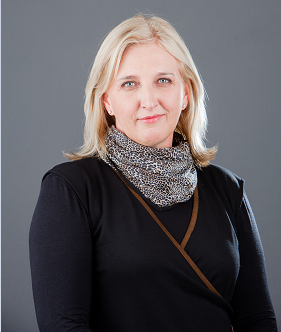
    Linda de Beer
  • Kristian Koktvedgaard Re-Appointed Chair of IESBA Consultative Advisory Group

    New York, New York English

    Kristian Koktvedgaard has been re-appointed Chair of the Consultative Advisory Group (CAG) to the International Ethics Standards Board for Accountants® (IESBA®, the Ethics Board), the independent standard-setting body that develops the globally applicable Code of Ethics for Professional Accountants, now adopted or in use in 100+ jurisdictions around the world.

    Mr. Koktvedgaard has served as IESBA CAG Chair since 2013 and was re-elected for a three-year term effective July 1, 2016 by the IESBA CAG membership. The re-appointment has been approved by the Public Interest Oversight Board (PIOB), which oversees the activities of the Ethics Board and of the CAG.

    The IESBA CAG is an integral part of the IESBA’s standard-setting process and plays an important role in helping the board fulfill its public interest remit. An independent body currently consisting of  23 member and 3 observer organizations—including regulators, international investor and preparer groups, and other stakeholders with an interest in international ethical standards for professional accountants—the CAG provides advice on technical and public interest matters during the development of the Ethics Board’s standards and strategy and work plan.

    Kristian Koktvedgaard stated, “It’s been very gratifying to lead such a diverse group, championing their shared interests in the development and maintenance of high-quality ethical standards for the global accountancy profession. We’ve seen, in some cases, a patchwork of regulation develop across jurisdictions in the aftermath of the global financial crisis. This is why it’s even more imperative for the IESBA to play a leadership role in the harmonization of standards in the areas of ethics and independence globally, while taking into account the diverse viewpoints from its various stakeholders. It’s an honor to be re-elected by my colleagues to lead the IESBA CAG, and I look forward to continuing the serve the public interest in this capacity.”

    Mr. Koktvedgaard is Head of VAT, accounting, and auditing with the Confederation of Danish Industry. He represents BUSINESSEUROPE, a European growth and competitiveness advocacy group, on the IESBA CAG and the CAG of the International Auditing and Assurance Standards Board. He is a member of the Danish Accounting Council and the Danish disciplinary tribunal for State Authorized and Certified Public Accountants. He is also actively involved in the Danish Accounting Forum, a body that brings together Danish stakeholders to discuss accounting issues. In addition, he is a member of the BUSINESSEUROPE Accounting Sounding Board and serves as Chair of its VAT Policy Group. Previously, Mr. Koktvedgaard served on the Danish Supervisory Authority on Auditing.

    As Chair, Mr. Koktvedgaard provides leadership to the IESBA CAG and plays a key role in ensuring that its views are heard and considered in the IESBA’s deliberations.

    Commenting on the re-appointment, IESBA Chair Dr. Stavros Thomadakis said, “In his first three years as Chair, Kristian has demonstrated leadership, expertise, and tireless commitment to his role. The CAG has worked very effectively under his leadership and has provided valuable public interest input to the development of the Ethics Code. I appreciate and value Kristian’s dedication and contributions, and I look forward to continuing our constructive working relationship.”

    About the IESBA
    The International Ethics Standards Board for Accountants (IESBA) is an independent standard-setting board that develops and issues, in the public interest, high-quality ethical standards and other pronouncements for professional accountants worldwide. Through its activities, the IESBA develops the Code of Ethics for Professional Accountants, which establishes ethical requirements for professional accountants. The structures and processes that support the operations of the IESBA are facilitated by IFAC. Please visit www.ethicsboard.org for more information.

    About IFAC
    The International Federation of Accountants® (IFAC®) is the global organization for the accountancy profession dedicated to serving the public interest by strengthening the profession and contributing to the development of strong international economies. IFAC is comprised of more than 175 members and associates in more than 130 countries and jurisdictions, representing almost 3 million accountants in public practice, education, government service, industry, and commerce.

    About the PIOB
    Established in 2005 as the oversight board for the global accountancy profession, the PIOB oversees the International Ethics Standards Board for Accountants®, the International Auditing and Assurance Standards Board®, the International Accounting Education Standards Board™, and their CAGs, as well as IFAC’s Compliance Advisory Panel, with the objective of increasing the confidence of investors and others that their activities are properly responsive to the public interest. PIOB members are nominated by international institutions and regulatory bodies.

  • IAASB Finalizes Changes for Engagements to Report on Summary Financial Statements

    New York, New York English

    The International Auditing and Assurance Standards Board (IAASB) has released ISA 810 (Revised), Engagements to Report on Summary Financial Statements, which deals with the auditor’s responsibilities relating to an engagement to report on summary financial statements derived from financial statements audited in accordance with International Standards on Auditing (ISAs) by that same auditor.

    The limited amendments to ISA 810 (Revised) leverage the additional transparency in the auditor’s report on the audited financial statements resulting from the IAASB’s new and revised Auditor Reporting standards issued in January 2015, in particular ISA 700 (Revised), Forming an Opinion and Reporting on Financial Statements, and new ISA 701, Communicating Key Audit Matters in the Independent Auditor’s Report.

    “The issuance of ISA 810 (Revised) represents the culmination of the IAASB’s work on auditor reporting that began in 2006. Feedback from our stakeholders has helped us finalize our proposals to meet the public interest calls from investors and others to enhance auditor reporting,” noted IAASB Chairman Prof. Arnold Schilder. “We already see positive momentum growing around the world to implement these standards.”

    ISA 810 (Revised) will become effective at the same time as the auditor reporting standards addressing general purpose financial statements—for engagements to report on summary financial statements for periods ending on or after December 15, 2016.

    “Through our Auditor Reporting Implementation Working Group, the IAASB and its staff remain committed to promoting awareness of our new and revised auditor reporting standards and facilitating their effective implementation,” explained IAASB Technical Director Kathleen Healy. “For example, the IAASB has recently published an article on our dedicated auditor reporting page that explores common questions asked by audit committee members and finance executives about the new and enhanced auditor’s reports.”

    For more information, visit www.iaasb.org/auditor-reporting.

    About the International Auditing and Assurance Standards Board (IAASB)
    The IAASB develops auditing and assurance standards and guidance for use by all professional accountants under a shared standard-setting process involving the Public Interest Oversight Board, which oversees the activities of the IAASB and the IAASB Consultative Advisory Group, which provides public interest input into the development of the standards and guidance. The structures and processes that support the operations of the IAASB are facilitated by the International Federation of Accountants (IFAC).

    About IFAC®
    IFAC is the global organization for the accountancy profession, dedicated to serving the public interest by strengthening the profession and contributing to the development of strong international economies. It is comprised of more than 175 members and associates in 130 countries and jurisdictions, representing almost 3 million accountants in public practice, education, government service, industry, and commerce.

  • Strong International Standards, Governance & Ethics Help Fight Bribery

    Paris English

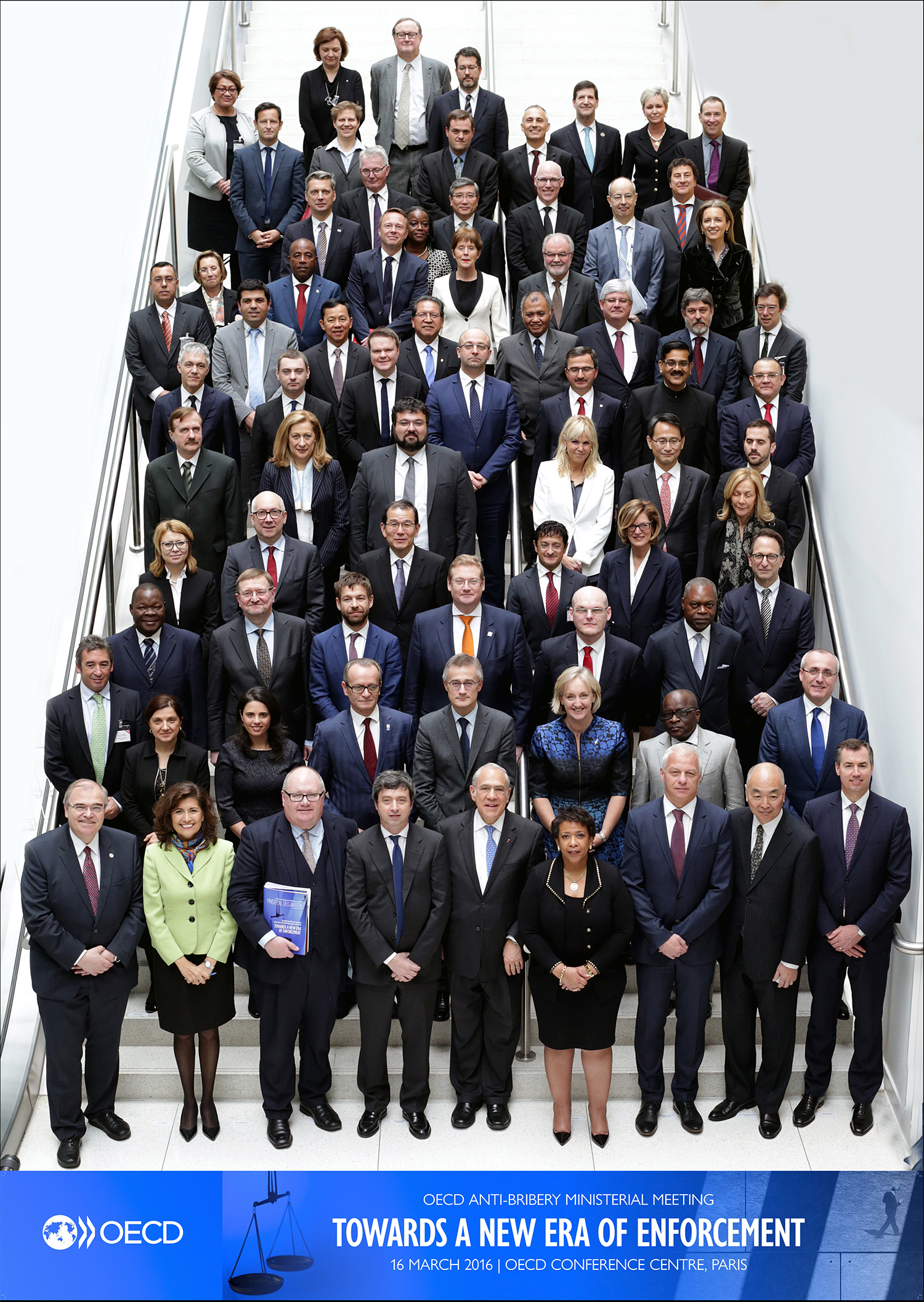
    At today’s OECD Anti-Bribery Ministerial Meeting, International Federation of Accountants President Olivia F. Kirtley, CPA, CGMA, highlighted an increasingly complex and interconnected world that requires strong collaboration and commitment from the private, public and regulatory communities to fight bribery and corruption.

    Addressing justice ministers and representatives of more than 40 countries at this morning’s open session on Fighting Foreign Bribery in an Increasingly Complex World: Towards a New Era of Enforcement, Ms. Kirtley said:

    “For decades, the global accountancy profession—including auditors, and professional accountants in business and government—have supported the fight against bribery. Transparency, accountability, and serving the public interest motivate our ongoing support for global reporting standards and ethical behavior. These standards underpin the profession’s role in detection of fraud, corruption and bribery—and strengthen organizations to assist in prevention.”

    Ms. Kirtley called for re-energized collaboration and commitment to fighting foreign bribery and a commitment to addressing both the demand and supply side of fraud and corruption across all sectors.

    “Transparent, consistent and robust anti-bribery and corruption measures must apply equally across both public and private sectors. Given the vast sums channeled through governments, effective public sector financial management is vital to a global solution. Citizens need both sectors to provide transparent disclosures, and implement effective internal controls that are critical to good governance, and to holding officials accountable,” she said.

    Separately, Ms. Kirtley participated as a panelist alongside the New Zealand Justice Minister, Ms. Amy Adams, the Director of the UK Serious Fraud Office, Mr. David Green, CB, QC, and Ms. Elena Panfilova, Vice Chair of Transparency International. Moderated by the Slovenian Justice Minister, Mr. Goran Klemencic, the panel discussed New Frontiers in Detection: Empowering Whistleblowers and Facilitating Voluntary Disclosure.

    Ms. Kirtley highlighted the urgent need for greater international collaboration on whistle-blower protection laws.

    “Realizing the full potential of the profession’s ethical and public interest foundations—such as having accountants go above and beyond their expected duty to consider situations where whistle-blowing might be appropriate—depends on consistent, comprehensive protections and robust corporate governance,” she said.

    “Bringing an end to the notion that ‘silence is always safer’ requires greater focus on strong governance and compliance structures, environments that are encouraging for self-reporting, and protections that apply to everyone working with any organization or for any profession.  We must all seek to empower individuals to do the right thing.”

    About IFAC
    IFAC is the global organization for the accountancy profession, dedicated to serving the public interest by strengthening the profession and contributing to the development of strong international economies. It is comprised of more than 175 members and associates in 130 countries and jurisdictions, representing almost 3 million accountants in public practice, education, government service, industry, and commerce.

    Image
    Caption
    IFAC President with OECD Ministers, March 2016

    IFAC President Addresses OECD Anti-Bribery Ministerial Meeting

  • Regional SMO Workshop Held in Costa Rica; Follow-up Quality Assurance Webinar Planned

    SMO Workshop
    Costa Rica English

    IFAC hosted a Statements of Membership Obligations (SMOs) workshop in San Jose, Costa Rica, February 13 in cooperation with the Colegio de Contadores Públicos de Costa. More than 30 representatives from 17 professional accountancy organizations (PAOs) in Central and South America and the Caribbean attended to discuss regional issues affecting the profession.

    The workshop focused on the progress in fulfillment of the SMOs in the region and provided a key opportunity for PAOs to share experiences, both successes and challenges, and identify opportunities for regional collaboration.

    Common challenges in the region identified by PAOs include: fragmented and outdated legal framework; lack of technical and financial resources; changes in PAO governance and a lack of strategic planning; and the effective implementation of quality assurance systems.

    To support establishing sound quality assurance systems, one of the key challenges identified during the workshop, IFAC will host a webinar during the second quarter of 2016, specifically targeting Latin America and Caribbean. If you are interested in being notified as details become available, please email compliance@ifac.org.

    Workshop presentation are available online; please note, some presentations are in English and some are in Spanish.