
  • IFAC Welcomes Publication of Single, Authorized Spanish Translation of the Handbook of International Quality Control, Auditing, Review, Other Assurance, and Related Services Pronouncements, Parts I and II

    English

    The International Federation of Accountants (IFAC) today published in the Spanish language the authorized translation of the Handbook of International Quality Control, Auditing, Review, Other Assurance, and Related Services Pronouncements, Parts I and II of the International Auditing and Assurance Standards Board (IAASB). The publication was translated as a result of the Ibero-American cooperation framework, known as the IberAm project.

    This translation is of the 2013 edition of the IAASB Handbook, and it is the first time a single Spanish translation has been published of both Parts I and II. The translated publication also includes an unofficial Table of Equivalencies showing differences between terminology used in Spain and that commonly used in Latin America.

    The publication is the result of extensive collaborative efforts by Instituto de Censores Jurados de Cuentas de España (ICJCE), Federación Argentina de Consejos Profesionales de Ciencias Económicas (FACPCE), and Instituto Mexicano de Contadores Públicos (IMCP). The IberAm project—which was established in 2012 and includes IFAC and its members in Argentina, Mexico, and Spain—is an IFAC-authorized translation and review process that strives to achieve longer-term, sustainable processes for single, high-quality Spanish translations of international standards and other IFAC publications. The Interamerican Accounting Association, IFAC’s regional organization for Latin America and the Caribbean, is an observer to the project. In addition, the project involves a Review Committee of technical experts representing IFAC member organizations in nine Spanish-speaking countries.

    Further Spanish translations will be forthcoming. 
  • IESBA Staff Draw Auditors’ Attention to Key Ethics Code Provisions When Facing Downward Pressure on Audit Fees

    English

    IESBA staff have developed a new publication, Ethical Considerations Relating to Audit Fee Setting in the Context of Downward Fee Pressure, in response to stakeholder concerns about downward pressure on fees and its potential to adversely impact audit quality. The publication highlights important considerations in the Code of Ethics for Professional Accountants (the Code) for auditors in relation to the setting of audit fees.

    Among other matters, the publication outlines some of the reasons for downward pressure on audit fees and focuses on the key fundamental principles in the Code to which auditors must pay particular attention in these circumstances. It also highlights the different, but important, roles that those charged with governance, entity management, regulators, and other stakeholders can play in ensuring that financial considerations related to audit fees do not drive actions and decisions that undermine audit quality.

    The publication will be relevant to auditors when considering tendering for a new audit engagement, or when proposing or agreeing fees for recurring audit engagements. It may also be of interest to those charged with governance, preparers, regulators and audit oversight bodies, investors, and others with an interest or role in auditors’ work and their independence.

    Log in to the IESBA site to access the publication now: Ethical Considerations Relating to Audit Fee Setting in the Context of Downward Fee Pressure.

  • 2016 CA Sri Lanka-SAFA-IFAC Regional SMP Forum

    Colombo, Sri Lanka English

    The Institute of Chartered Accountants of Sri Lanka (CA Sri Lanka), together with the International Federation of Accountants (IFAC) and the South Asian Federation of Accountants (SAFA), have organized a regional SMP Forum to help SMPs leverage future growth opportunities for small- and medium-sized entities (SMEs) and accounting practices (SMPs).

    When/Where? The CA Sri Lanka-IFAC-SAFA Regional SMP Forum is scheduled to be held on January 26, 2016, at the Cinnamon Lakeside Hotel in Colombo, Sri Lanka. 

    What? An international and regional line-up of subject matter experts will steer the forum and share important insights on pertinent areas related to the development and growth of SMPs both in Sri Lanka as well as other parts of the South Asian region.

    The international line-up of speakers includes:

    • Mr. Giancarlo Attolini, Chair, IFAC SMP Committee
    • Mr. Bodo Richardt, President of the European Federation of Accountants and Auditors for Small- and Medium-sized Enterprises (EFAA), and
    • Mr. Manoj Fadnis, President of the Institute of Chartered Accountants of India and the Deputy President of the Confederation of Asian and Pacific Accountants (CAPA)

    These speakers will be complemented by a host of other foreign and local speakers and facilitators from across the globe, including South Asia.

    Who Should Attend? The forum is open to accounting practitioners, as well as other professionals, who work directly or indirectly with SMP/SME affairs. 

    Why? The event will help participants understand how to build capacity, overcome current challenges, and seize future opportunities, as well as how to grow their practices through review, compilation, and agreed-upon procedures engagements, among other important areas relevant to the sector and its development.

    How? Registration is open to both Sri Lankan and foreign delegates. For more details and to register, see the CA Sri Lanka Regional SMP Forum page.


  • IESBA December 2015 Meeting Highlights Podcast

    English

    Highlights from the IESBA's November 30-December 4, 2015, meeting in New York, NY.

    :05 Introduction: Ken Siong, Technical Director

    :30 Opening remarks: Stavros Thomadakis, Chair

    2:46 Safeguards: Gary Hannaford, Member

    4:50 Structure of the Code of Ethics for Professional Accountants (the Code): Don Thomson, Member

    6:26 Part C of the Code, Professional Accountants in Business: Jim Gaa, Member

    9:53 Long Association: Marisa Orbea, Member

    11:15 Non-Compliance with Laws & Regulations (NOCLAR): Richard Fleck

    13:10 Next meeting: Ken Siong, Technical Director

    Meeting Highlights Listen & Subscribe in iTunes
    IESBA December 2015 Meeting Highlights Podcast
  • An Interview with Dr. Stavros Thomadakis, Chairman, International Ethics Standards Board for Accountants

    Alexandra Waibel
    Manager, Communications, Marketing, and Brand
    IS Chartered Accountant English

    In this interview, Dr. Stavros Thomadakis, Chair of the International Ethics Standards Board for Accountants, discusses his vision for the board, public reaction to its proposals regarding how accountants should respond when they encounter acts of non-compliance with laws and regulations, and the role of accountants in deterring corrupt behavior. 

    This article was first published in IS Chartered Accountant, November 2015. Reproduced with permission from the Institute of Singapore Chartered Accountants.

    Image
    Caption
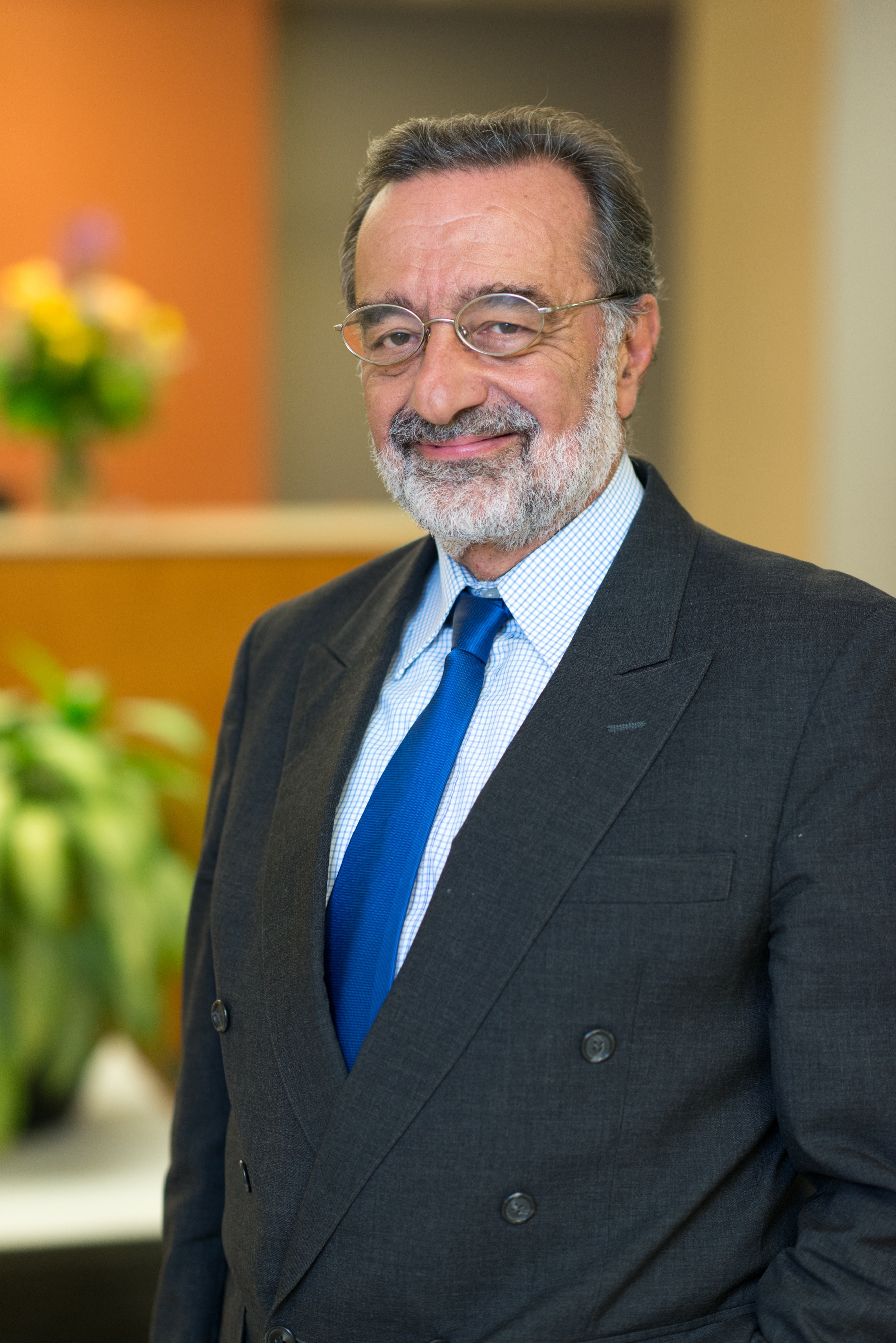
    Dr. Stavros Thomadakis, Chair of the IESBA
  • Fijación De Precios En Función Del Propósito: Cómo Implementar La Fijación De Precios En Función Del Valor En Su Firma, Partes I-III

    Spanish

    La I Parte explica la racionalidad y teorías que soportan el cambio de tarifas por hora a la fijación de precios en función del valor. La II Parte considera los primeros retos y medidas prácticas a tomar al comenzar la transición de los profesionales de la contabilidad a un modelo de precios basado en función del valor. La III Parte  describe los ocho pasos los profesionales de la contabilidad o firma deben adoptar para implementar los precios de valor. Los Anexos incluyen listas de comprobación prácticas y formatos. Los artículos, Fijación De Precios En Función Del Propósito: Cómo Implementar La Fijación De Precios En Función Del Valor En Su Firma, Partes I-III, fueron escritos por Ronald J. Baker, un contador público certificado y fundador del Instituto VeraSage, un think tank dedicado a la formación de profesionales. Esta serie de tres partes de los artículos se ha extraído y adaptado, de su último libro, Implementing Value Pricing: A Radical Business Model for Professional Firms.

    Pricing on Purpose: How to Implement Value Pricing in Your Firm, Parts I-III

  • IFAC Member Compliance Program Strategy Approved

    New York, New York English

    The IFAC Member Compliance Program Strategy, 2016-2018 has been issued after consideration of the more than 70 responses received from a 60-day public consultation period and finalization with proper regard for the public interest. The Member Compliance Program and the Compliance Advisory Panel (CAP) were established by the IFAC Board more than ten years ago as part of IFAC’s commitment to support the growth of professional accountancy organizations and encourage member organizations to further the adoption and implementation of international standards.

    The Program strategy reiterates the importance of its primary activities, which center on:

    • Maintaining robust application and compliance processes;
    • Gathering and sharing knowledge about the adoption of international standards and practices and fulfillment of the IFAC Statements of Membership Obligations (SMOs);
    • Maintaining the SMOs as a global benchmark for the accountancy profession; and
    • Developing assessment methodology, tools, and guidance to support the Program.

    For 2016-2018, the Program’s strategy will place a greater focus on:

    • Monitoring member organizations’ compliance with membership requirements, including the SMOs, to better understand challenges facing these organizations;
    • Enhancing reporting on the status of adoption of international standards; and
    • Identifying actions to address adoption and implementation challenges, including support for member organizations and national authorities.

    The Program’s strategy is aligned with IFAC’s mission and strategy and benefits from the inputs received from member organizations and other stakeholders as part of IFAC’s strategic planning process. These activities fulfill the Program’s mandate and are expected to remain valid over the long term.

  • IESBA September 2015 Meeting Highlights

    English

    Highlights from the IESBA's September 15-16, 2015, meeting in New York, NY.

    :05 Introduction: Ken Siong, Technical Director

    :42 Opening Remarks: Stavros Thomadakis, Chair

    2:04 Structure of the Code of Ethics for Professional Accountants (the Code): Don Thomson, Member

    4:26 Safeguards: Gary Hannaford, Member

    7:30 Part C of the Code: Jim Gaa, Member

    9:43 Closing & Next Meeting: Ken Siong, Technical Director

    Meeting Highlights Listen & Subscribe in iTunes
    IESBA September 2015 Meeting Highlights Podcast
  • PIOB Issues Description of Standard-Setting Model

    Madrid, Spain English

    The Public Interest Oversight Board (PIOB) has issued Standard Setting in the Public Interest: A Description of the Model  to provide greater clarity and broaden the general understanding of the governance functions supporting standard setting following consultations with the Monitoring Group, IFAC, and the standard-setting boards. The document reflects the current state of the standard-setting model in audit, assurance, ethics, and education for accountants. It sets forth the aims and features of the governance arrangements, with links to governing or other documents that provide further details as appropriate. The document was produced at the request of the Monitoring Group as recommended in the 2013 Monitoring Group Statement on Governance.

  • IESBA Releases 2014 Annual Report, Advancing Ethics for an Evolving, Global Profession

    English

    The 2014 IESBA Annual Report presents the board’s work framed within the following interconnected strategic themes from its Strategy and Work Plan, 2014-2018 (SWP):

    • Maintaining a high-quality Code of Ethics for Professional Accountants (the Code) for application by professional accountants globally;
    • Promoting and facilitating the adoption and effective implementation of the Code;
    • Evolving the Code for continued relevance in a changing global environment; and
    • Increasing engagement and cooperation with key stakeholders.

    In 2014, the IESBA worked to enhance its responsiveness to emerging issues of international relevance in the context of continued heightened scrutiny on ethics following the global financial crisis, and an ever-evolving global environment, all while consolidating its efforts to deliver on its existing strategic commitments, including advancing the development of international standards and guidance in the Code; developing a new structure for the Code to enhance its usability and clarity, thereby facilitating its consistent application and enforcement, and furthering its global adoption; and proactively pursuing its stakeholder outreach program.

    The report includes a message from the incoming independent Chairman Dr. Stavros Thomadakis. It also discusses the board’s operating environment, highlights achievements from 2014, and summarizes the progress made on each of the projects in the board’s SWP.

    The IESBA is supported operationally by IFAC; thus, its financial results are included within IFAC’s audited financial statements, which are published as part of IFAC's Annual Review.